
Recently, I attended Women in Banking and Finance – The Financial Forum in Sofia as a special guest.
As a stylist and designer with years of experience in the fashion industry, I couldn't help but observe something beyond the conversations on stage.
A room full of ambitious, accomplished women, and yet an overwhelming visual uniformity.
Black outfits. Oversized blazers. Disconnected silhouettes. Inappropriate fabrics and styling choices that often failed to communicate the professional identity of the women wearing them.
It raised an important question:
Are women dressing to express their professional authority, or simply playing it safe?
1. Stop hiding behind black
Black is elegant, but it isn't universally flattering. And when everyone wears it, individuality disappears.
How to change it: discover your most flattering colours and build a personal colour palette. Introduce intentional colour combinations that make your appearance recognisable without being distracting. A colour analysis session is the fastest way to find yours.
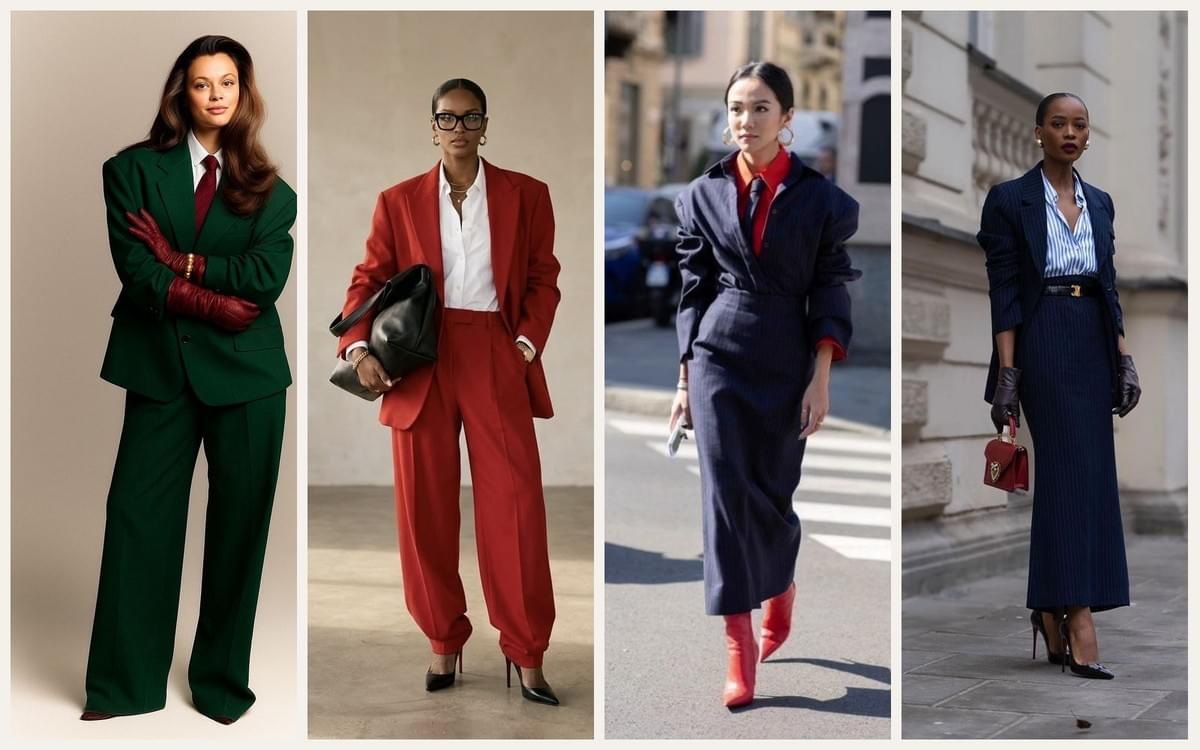
2. Expensive doesn't always mean sophisticated
Poor fabric choices, incorrect proportions and badly fitted garments can undermine even the most expensive wardrobe.
How to change it: prioritise fabric quality, construction, fit and tailoring. Invest in pieces that work with your proportions rather than simply following trends.
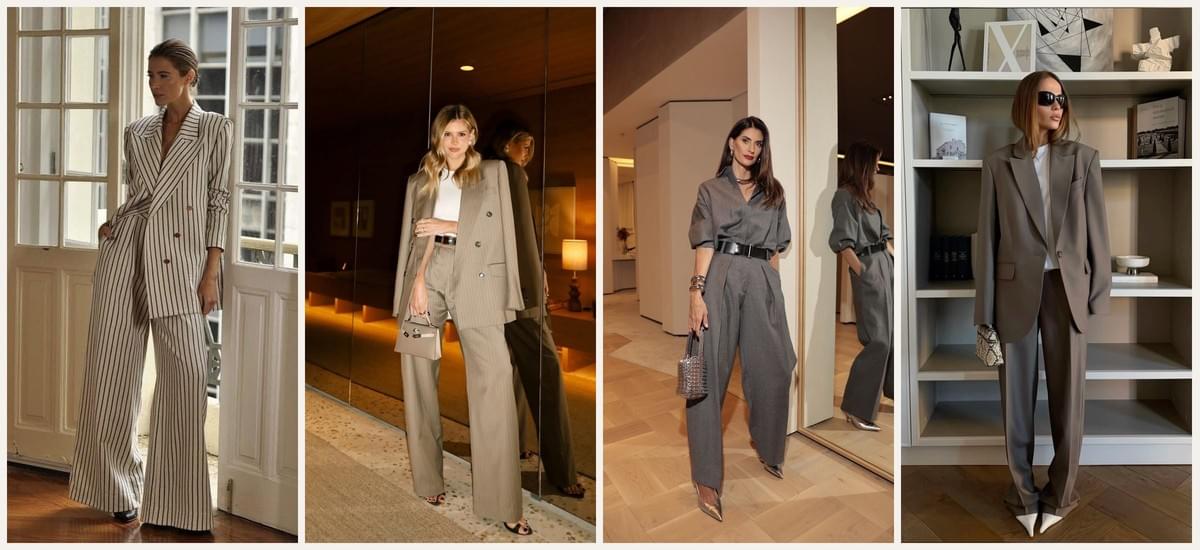
3. Understand the dress code and the context
A financial conference is not a fashion party. Your appearance should complement your professional role, not compete with your message.
How to change it: consider your audience, your position and your purpose before choosing an outfit. Make sure your clothing, makeup, hairstyle and accessories communicate one coherent visual message.
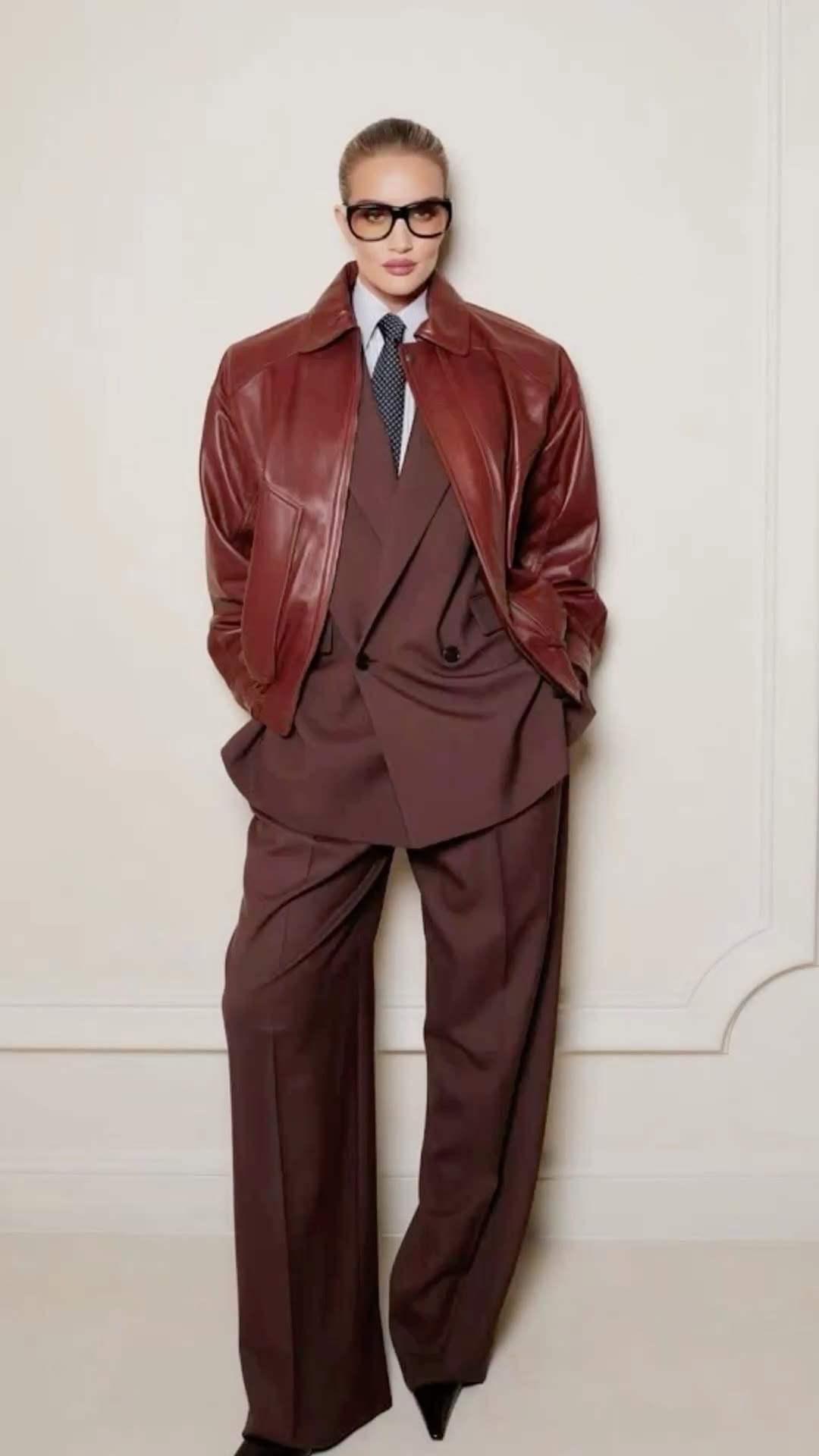
4. Authority doesn't mean dressing like a man
There is a difference between professional structure and hiding behind oversized, masculine silhouettes. Equally, excessive body emphasis doesn't automatically communicate confidence.
How to change it: find the balance between structure, femininity and individuality. Understand your body proportions, choose appropriate silhouettes and develop a style that reflects your personality.
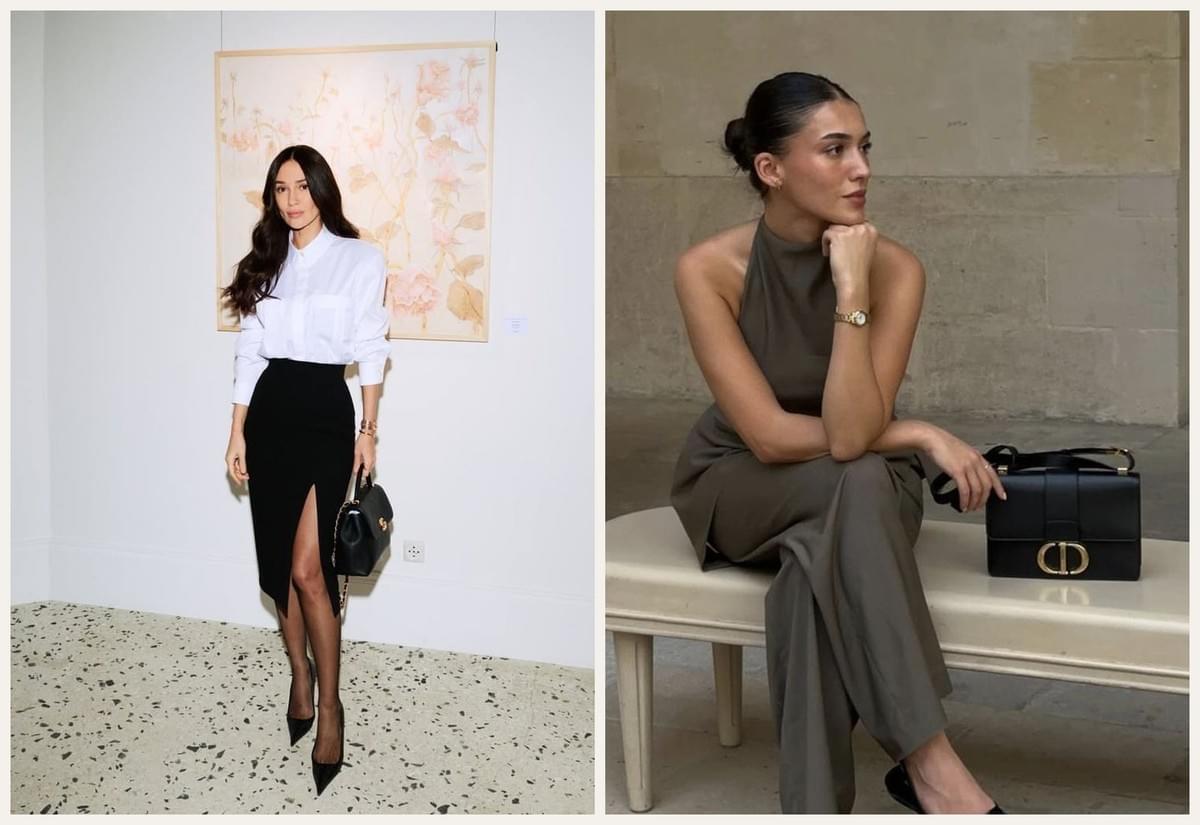
5. Make every detail intentional
Prints, accessories, footwear, makeup and hairstyles all contribute to your visual identity.
How to change it: before an important event, ask yourself:
- Is my outfit appropriate for the occasion?
- Do the proportions work?
- Does my appearance support my professional message?
- Can I move and feel confident throughout the event?
- What will people remember about my visual presence?
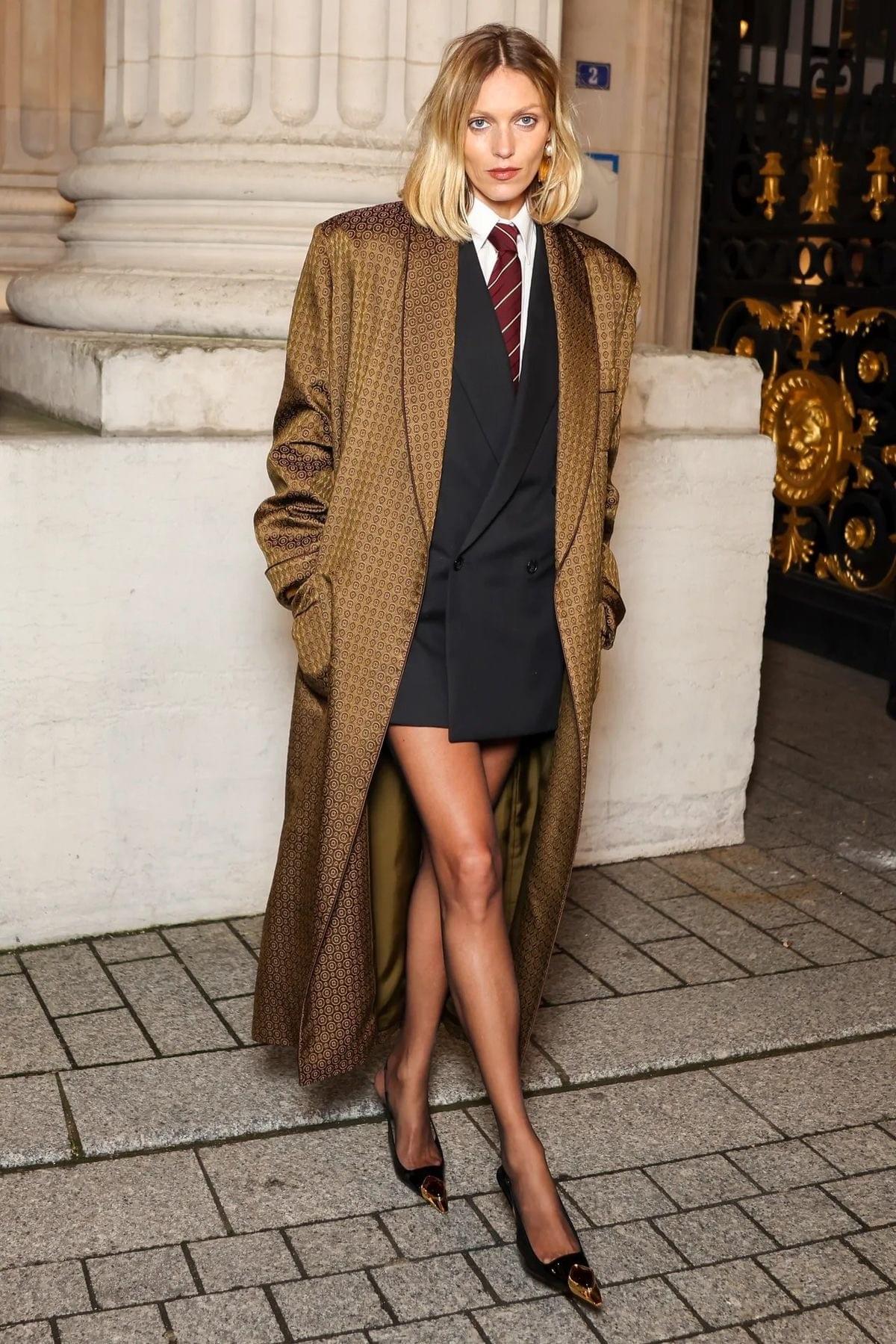
Your professional image is part of your personal brand
Your appearance doesn't replace your expertise. It should reinforce it.
In business, leadership, sales, networking and public speaking, visual communication matters. People don't only process what you say; they also interpret how you present yourself. It's the halo effect in leadership, and it works for you or against you long before you speak.
You don't need a bigger wardrobe. You need a better understanding of your visual identity.
At Blackout Label, I work with women who want to move beyond random styling choices and develop a more intentional, recognisable and strategic personal image, because looking invisible has a real cost.
Through personal styling, colour analysis, wardrobe detox and strategic wardrobe planning, I help women understand what works for them, and why.
You have built your expertise. Now make sure your visual identity reflects it.
Ready to redefine your professional presence?
Work directly with me, Plam Hawly, Founder and Creative Director of Blackout Label.
For companies and teams
If your company needs professional image training, I can design it for you. The Corporate Styling Program helps teams understand visual communication, dress codes and professional presence, so that your people represent your brand with the same confidence they bring to their work.
BLACKOUT LABEL | Personal Style. Visual Identity. Presence.
When the world goes dark, you rise.